BREAST AUGMENTATION CASE STUDIES
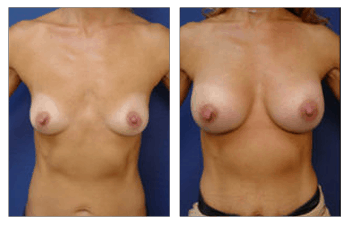


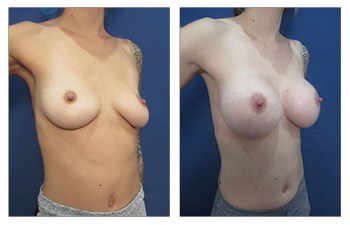


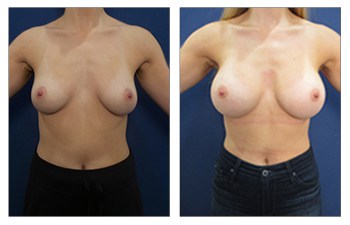
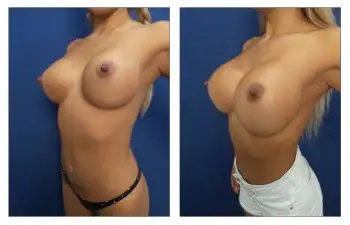
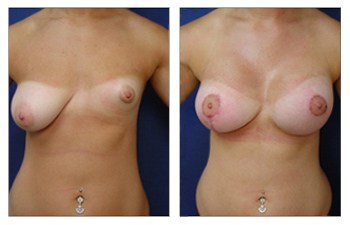

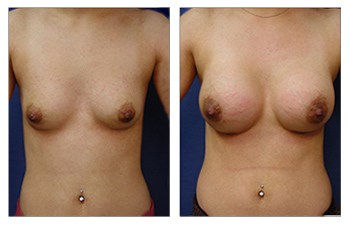
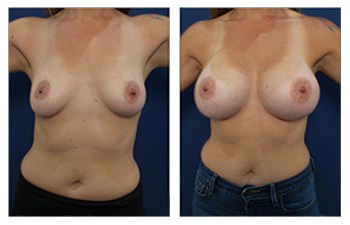


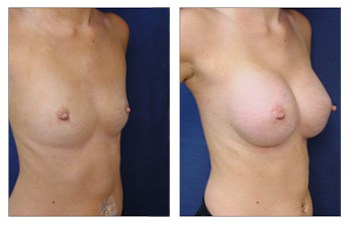


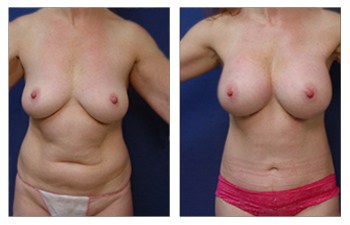
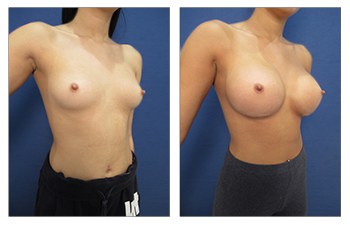


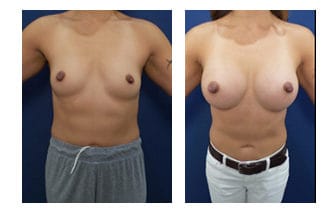

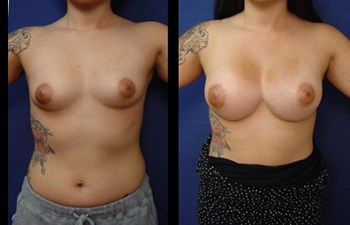

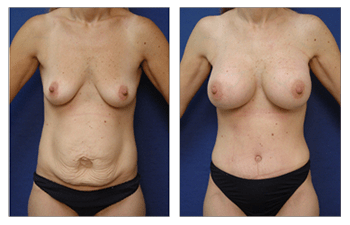

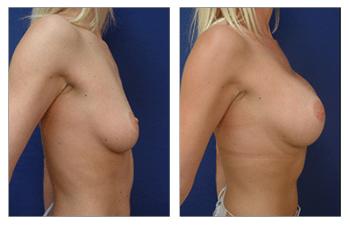
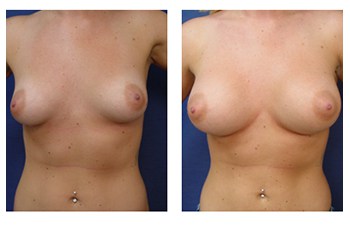
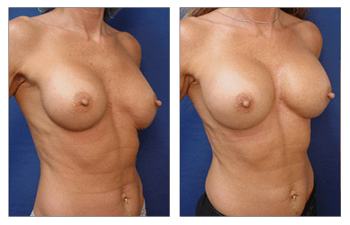
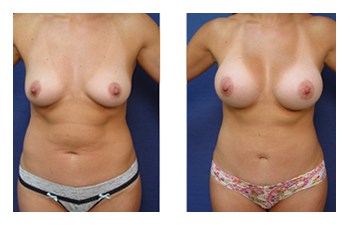
Breast Augmentation
Breast Augmentation, or "Boob Job" focuses on enhancing breast shape and volume for patients who have identified one of the concerns below:
- They wish to have larger breasts
- They want their breasts to be asymmetric
- Noticed tightening, firmness, and distortion of their breasts. (Please see Breast Augmentation Revision)
- Noticed deflation of their implants following breast augmentation. (Please see Breast Augmentation Revision)
- Observed slight drooping of their breasts due to the natural aging process. (Please see Breast Lift with Implant Augmentation)
- The observed loss of volume and drooping of their breasts following pregnancy and breastfeeding and/or weight loss. (Please see Breast Lift with Implant Augmentation)
One of the most important decisions you can make when considering breast augmentation is the selection of an experienced surgeon. Dr. Paris, located in Newport Beach, Orange County, is considered an expert in breast augmentation surgery and has developed Breast Augmentation Protocol to ensure that you attain your maximum potential following breast augmentation surgery and avoid long-term and recurrent complications.
Dr. Paris's Breast Augmentation protocol allows patients to identify the ideal breast implant size and style to custom-fit their breasts. Dr. Paris's Breast Augmentation Protocol is based on three rules that include:
- Breast implants should be centered on the nipple-areola complex
- The breast implant should rest on the inframammary crease
- The inframammary crease should never be violated/repositioned
With some simple geometry, it becomes clear that the ideal breast implants for you will have a radius (1/2 the diameter) that matches your nipple to inframammary crease distance. This is because the perimeter of the breast implants will rest on the inframammary crease and the center of the implant should be positioned on your nipples.
Once we measure your nipple to areola crease to inframammary crease distance we turn to the available implants that will best fit your breasts. There will be a variety of breast implants that will match your ideal breast implant radius which will span across the 6 available styles.
Breast implant styles range from a low profile ( wide diameter and low projection) to extra high profile (small diameter and high projection). During your breast sizing consultation, you will also choose your desired volume. Once you have chosen your desired volume and measured your nipple to inframammary crease distance, you will then glimpse on the implant inventory sheet to choose the implant style that will possess your desired volume as well as match your nipple to inframammary crease distance.
Dr. Paris often describes the selection of breast implants in picking out a shoe. The shoe should fit your foot comfortably yet snug. If the shoe is too large, then your foot will wiggle and if your shoe too tight, then your foot will stretch it out. The same holds for breast implants. If the implant is too small, then it is prone to malposition. If it is too large, it will stretch you out resulting in bottoming out, lateralization, and double bubble deformity.
If you are desiring a "Boob Job" and don't know how to select the appropriate implant size and style, we encourage you to make a complimentary consultation with Dr. Paris. Dr. Paris will help you identify your desired increase in breast volume and then help you choose the appropriate implant style that will custom fit your breasts like a custom fit shoe.
In the event your nipples are too low to accommodate an ideal implant size and style, that is when you will require a breast lift. In fact, a low nipple position is the best indicator of breast lift surgery. Moreover, the degree of breast lift is actually determined by the chosen implant. Remember that we want to center the implant on your nipple. So once you choose your desired breast implants, this will determine how far to move up the nipples during your breast lift.
Dr. Paris's Breast Augmentation protocol optimizes all aspects of the breast augmentation surgery experience including your initial confidential consultation, an anxiety-free operation, comfortable postoperative recovery, a speedy return to full activity, and long-lasting results.
During your initial Orange County breast augmentation consultation with Dr. Paris, you will have the opportunity to convey to him exactly what concerns you regarding your breasts. Dr. Paris will complete a thorough history and physical, which is the first step towards ensuring optimum results. During this consultation,Dr. Paris will examine your breasts and take detailed notes and measurements to ensure that the appropriate surgical plan to correct/improve your breast aesthetics is implemented.
Dr. Paris’s breast augmentation examination will take into account:
- Your breast mound size and any asymmetry;
- Your nipple-areola complex positioning and any asymmetry;
- Your medial cleavage fullness or lack of;
- Your lateral breast mound concavity;
- Your inframammary crease positioning and any asymmetry;
- Your breast mound diameter and chest wall width;
- Your nipple-areola complex to inframammary crease distance and any asymmetry;
- Your breast skin and soft tissue thickness
- Your pectoralis muscle tone and asymmetry
Virtual Breast Sizing
If you are interested in a Boob Job, we encourage you to come and visit our state of the art office. You will enjoy trying on a full array of breast implant sizes so that you can actually see and feel the look that you desire.
Although you will have your patient coordinator helping you go through the various implant size and shape options, Dr. Paris encourages you to bring your significant other, family, and/or friends to help you choose the implant size that will achieve the look you are striving for.
Finally, Dr. Paris encourages you to bring your own undergarments (bras with no padding) and tops (tight shirts preferred) so that you can appreciate how the various implant sizes and shapes will affect your silhouette in your own clothes. Please take your time to view our extensive Newport Beach Breast Augmentation before and after gallery.
Preoperative planning for a Breast Augmentation in Newport Beach, Orange County includes:
- Arranging for time off of work during your recovery period.
- Preparing meals and routine daily needs ahead of time.
- Washing with antimicrobial soap starting 4 days prior to surgery,
- Administering an anti-anxiety medication on the night prior to as well as on the day of surgery.
- Planning for a responsible adult to accompany you to and from surgery and for the first 72 hours following surgery.
Breast Augmentation focuses on several operative measures that Dr. Paris uses to optimize your results.
- Use of only FDA approved breast implants made by Mentor and/or Allergan Corporation to ensure the longevity of your implants.
- Provide perioperative antibiotics through your IV to minimize the risk of infection.
- Utilize extended surgical drapes to ensure sterility throughout your case.
- Utilize nipple-areola shields in order to avoid contamination of your implants from endogenous bacteria that normally live within the breast glands.
- Use of a bi-planar surgical technique in order to allow for correction of slight nipple-areola and/or breast mound asymmetry.
- Use of anatomic landmarks for pectoralis muscle release in order to ensure the symmetric release of muscles and subsequent symmetry of proposed breast implants pocket position.
- Use of non-powdered gloves and subsequently irrigating gloves with antibiotics solution to avoid all irritants that could cause capsular contracture.
- Use of antibiotic solution to irrigate the surgical breast pocket and breast implants in addition to the surgeon’s gloves to minimize the risk of infection.
- Use of minimal touch technique when handling breast implants prior to implantation.
- Use of sterile breast implant sizes prior to committing you to your final breast implant.
- Maintaining an array of breast implant sizes and shapes on consignment at our surgery center so that adjustments in size can be considered during your operation should unexpected intraoperative findings be made.
- Placement of specialized breast garment, i.e. breast band, which maximizes maintenance of breast implant position and avoids implant malposition.
A Boob Job in Orange County is very common and all-inclusive costs start at $6500 when performed by expert surgeons. In Dr. Paris's office that is an all-inclusive fee; surgeon’s fee, operating room fee, anesthesia fees, implant fees, breast band/garment, and all of your postoperative visits. Dr. Paris will ensure that your results meet your expectations.
Frequently Asked Questions:
What is the history of breast augmentation surgery?
The first reported breast augmentation was performed by Czerny in 1895 using the patient’s own fat. He actually used fat that he had removed from a fatty tumor called a lipoma. In the early part of the century synthetic injections were attempted by Gersuny in 1899 (paraffin) and by Pangman in 1951 (synthetic polyvinyl alcohol and formaldehyde polymer). In 1963, two United States physicians named Cronin and Gerow introduced the popular silicone implants that are used today.
Are silicone implants allowed in the United States?
In 1991, a moratorium was placed by the F.D.A. for the use of silicone implants. This decision was based on a concern from numerous women across the country who felt that their implants were responsible for development of immune disorders and breast cancers. Although the move to halt all silicone implants was controversial, the physicians agreed that further testing should be performed to determine the safety of silicone implants. Over a decade of studies has shown that, in fact, silicone implants have no relation to development of immune disorders and that women who have silicone implants are less likely to develop breast cancer. In March of 2007, the F.D.A. re-approved the use of silicone implants in all women aged 22 years and older.
If I have breast implants, can I receive silicone implants?
Prior to March 2007, silicone implants could only be placed in women who needed replacement of their implants (saline or silicone), in women who had sagging of the breast requiring a breast lift, in women who had chest wall deformities, in women who had breast asymmetry, and in women who needed breast reconstruction for breast cancer. For all other patients considering breast augmentation for the first time, only saline implants are allowed. As of March 2007, the F.D.A. has approved the use of silicone implants in all women aged 22 years and older.
Am I a good candidate for breast augmentation surgery?
Most women who desire enlargement of their breasts are good candidates for breast augmentation surgery. In general, it is safer to place implants in patients who have not previously had breast symptoms such as: breast tenderness, breast lumps, nipple areola discharge, and breast infection. In addition, if the patient has had a family history of breast cancer, this can be concerning because it may increase the likelihood of breast cancer in the patient. If you have experienced any of the above concerns, a mammogram is recommended so that any breast abnormality can be detected prior to breast augmentation surgery.
Indications for having breast augmentation include inadequate breast volume and developmental delays in breast growth. Additionally, breast augmentation has proven to benefit psychological conditions such as: low self esteem, lack of self-confidence, or sexual inhibition. Finally, small degrees of breast droop (up to 2 cm) can be corrected with a breast implant placement.
What does breast augmentation surgery involve?orrected with a breast implant placement.
The surgery involves placement of accurate preoperative markings including: the midline of the chest, the incision line (determined by the approach used), the inframammary crease (fold under the breast), as well as the pocket that is going to be dissected to fit the implant. The pocket size is determined by the implant size selected.
Following placement of the implants, the patient is sat upright so that breast symmetry can be confirmed. If there are asymmetries, the patient is placed back down and either pocket dissection or implant volumes are adjusted until symmetry is achieved.
Finally, the incision is closed in multiple layers and using plastic surgery closure techniques to ensure protection of the implant and an aesthetically pleasing incision line.
The various approaches to breast augmentation include:
a) inframammary crease(in the breast fold): this approach provides the surgeon the best visualization of the breast pocket that he/she is dissecting thus ensuring breast symmetry following breast augmentation surgery. The most important advantage of this approach is that it provides the most direct access to the surgical pocket in the event that revision surgery is required.
b) periareolar (around the areola): when this incision heals well, can be very well camouflaged. However, this incision is associated with several disadvantages including: surgical trauma to the breast glands, increased potential for nipple numbness, and poor scarring in the event revision surgery is required. Since the incision is circular, if opened a second time, it tends to contract into a straight line when healed thus distorting the areola.
c) transaxillary (in the armpit): This incision tends to hide well as long as you don’t have to raise your arms as part of your occupation. However, it has several disadvantages including: more difficult dissection resulting in more difficulty obtaining symmetrical pockets, potential for arm numbness, potential for damaging large veins to the arm which if damaged could result in prolonged arm swelling, and a necessity to convert to another incision if a revision is necessary (revisions may include correcting asymmetry or to remove a thickened capsule scar). Breast implants using the armpit technique are usually placed under the pectoralis muscle.
How do I plan for breast augmentation surgery?
On your initial visit, your surgeon will evaluate your health status by obtaining blood work. If you are 40 years or older or if you have had a history of breast symptoms (tenderness, lumps, nipple discharge) you will have to obtain a mammogram. If you are a smoker, you should quit for 1 month prior to your breast augmentation surgery to minimize the risks of implant infection. In addition, it is prudent to quit smoking for 6 weeks following surgery to ensure a well-healed surgical incision line. Finally, you will need to arrange for a friend or a spouse to care for any small children who may need to be lifted since you will be sore for the first couple days following surgery.
How do I prepare for breast augmentation surgery?
Since your surgery will require general anesthesia and/or intravenous sedation, you must take several precautions prior to surgery. First, you will have to avoid eating and drinking after midnight on the day before surgery. This precaution ensures that your stomach is clear of digested foods that could potentially be aspirated into your lungs during induction of anesthesia. Since, you will have anesthetic medications administered throughout the case, you will remain groggy for several hours and will require a ride to and from the surgery center. You should choose a caretaker who is conscientious and who can spend the first night with you.
What results can I expect after breast augmentation surgery?
Patients who undergo breast augmentation surgery are extremely satisfied with their surgery and will notice immediate improvement in their breast to body silhouette. A thorough preoperative assessment, safe intraoperative course, and close monitoring with frequent postoperative visits ensures that patients experience a speedy recovery and a return to a more productive and rewarding life. Patients are extremely pleased with breast augmentation surgery and radiate increased physical and mental confidence
Where will my breast augmentation surgery be performed?
Since breast augmentation surgery will require general anesthesia, it must be performed in an operating room that is part of a hospital institution or outpatient surgery center. Less frequently, patients may be operated on in an in-house office based operating room, but it is of utmost importance for patients to make sure that the office facility is accredited by a surgical accreditation body such as AAAASF.
What type of anesthesia will be used for my breast augmentation surgery?
For the routine breast augmentation, the implants are placed in a submuscular plane which will require general anesthesia. For certain individuals, a subglandular (over the muscle) plane is recommended for which conscious sedation (sedation through intravenous medications only) will suffice.
What should I expect after breast augmentation surgery?
Patients will awaken from general anesthesia to find their breasts wrapped with Ace Wraps as well as a breast band. The Ace wraps are to support the implants in their newly created pocket. The breast band is to prevent the implants moving up on the chest wall. Although this is not intuitive, for the first three weeks following surgery, breast implants tend to want to move up on the chest wall against gravity. The band counters this movement and ensures that the breast implant stay in the desired position. Patients will feel sore throughout the first 2 to 3 postoperative days. By placing long lasting local anesthetic solution in the breast pockets prior to closing the incisions, this soreness is minimized . Patients are asked to avoid lifting of weights greater than 15 pounds for the first two weeks. Incision lines will be sealed with special tape (steri-strips) for the first 36 hours so showering is delayed until the 2nd day following surgery. Finally, exercise should be limited for the first 4 weeks until the incisions and the breast pocket have completely healed.
When will I be able to return to work following breast augmentation surgery?
Patients can expect to return to work at the earliest at 4 to 5 days following surgery if they have a sitting job. In general, patients are recommended to take 1 week off if their work permits. Weight restrictions are set at 15 pounds for the first two weeks to guide patients who may have more physical jobs.
Are there any side effects associated with breast augmentation surgery?
There are several side effects that have been associated with breast augmentation surgery and these include:
- a) High riding implants: Patient’s frequently notice high riding implants in the early postoperative period. The implants will drop into their desired, aesthetically pleasing position within 2 to 4 weeks. The tendency for the implants to sit high is countered by wearing of a breast band which will be provided by your plastic surgeon. The breast band will be worn for approximately 2 to 4 weeks until the implants fall into their desired space.
- b) Numbness: Numbness can occur when sensory nerves are inadvertently traumatized during the surgery which requires creating a pocket for the implant to sit in. Since these nerves are extremely small, they are not apparent to the naked eye and so unavoidable. Clinically, the periareolar incision has been associated with increased incidence of numbness since the dissection is closer to the nerves. Fortunately, numbness is an infrequent event and when present resolves itself over 2 to 3 months.
- c) Capsule formation: Capsule formation refers to the phenomenon of the body forming a scar around the implant. This is a natural event that occurs as the body tries to wall itself from a foreign body; this occurs when you get a splinter the body forms a scar around it that eventually helps the body spit it out. Usually, the capsule around the implant is thin and soft, and does not cause any problems. However, if the capsule does thicken it can lead to breast distortion and is referred to as capsular contracture. Capsular contracture is an infrequent event that occurs most commonly with silicone implants. The good news is that capsular contracture is rarely observed with saline implants and to be limited with the new generation silicone implants. Since capsular contracture tends to occur years after implant placement, time will tell if the new generation silicone implants prevent the development of capsular contracture.
- d) Hypertrophic scar: Hypertrophic scar refers to the development of a thick scar in the skin. Since, most plastic surgeons use a similar technique for closure of their skin incisions, whether or not you are at risk for this depends on the healing capacity of your body. Contrary to common knowledge, the better healer you are
- e) Mild asymmetry of breast size: Asymmetry of the breasts is considered a side effect only for the mere fact that most women have some degree of asymmetry. The surgeon must do his/her best to improve on any asymmetry by utilizing different sized implants. Thus, any preoperative asymmetry should be improved upon; as a rule of thumb, the surgeon should be able to get the breasts to a similar size with a less than 5 % difference in size.
f) Deflation: Deflation of the implants can occur and in gen at 1% per implant per year. So in 10 years there is a 10% chance of the implants deflating. Deflation is felt to occur when the shell (or cover) of the implant rubs against itself. In saline implants, this occurs when the implant is under-filled. For example, if you chose a 360 cc implant, then this implant is usually overfilled to 380cc so that there are no creases in the implant. Detection of deflation in saline implants is easy since they deflate like a flat tire. Detection of deflation in silicone implants is more difficult since the silicone implants tend to ooze and minimally deflate. Often a ultrasound or MRI is needed to confirm a break in the silicone implant shell.
Are there any risks associated with breast augmentation surgery?
-
- Hematoma: Hematoma refers to the accumulation of blood in the early postoperative period which pools into a pocket. When less than 10 % of the breast volume, the hematoma is left to resolve on its own. When larger than 10 % most surgeons will recommend a trip back to the operating room so that this hematoma can be removed. There are two reasons why the hematoma must be removed. First, the hematoma is a perfect medium for harboring growth of bacteria. So if you have an infection anywhere in your body, the bacteria will travel through the blood stream and grow in the hematoma; this can lead to an infection of your implant(covered below). Second, the presence of a hematoma is felt to promote capsule formation (covered above).
- Infection: An infection is probably the worst complication that can occur following breast augmentation surgery. An infection will require you to remove the implant and get on 1 month of antibiotics. You will have to wait approximately three months before having your implants replaced. This 3 month interim can be quite discomforting for you since you will have to wear a falsy(bra) to make your breasts symmetric.
- Pneumothorax: A pneumothorax refers to the inadvertent puncturing of the lining that covers your lungs. This is a rare event but can occur since most implants are placed under the pectoralis muscle. Once you are dissecting under the muscle, there is only a few millimeters of tissue between your pocket and the lung lining. Regardless, if this does occur, then the surgery is more complicated as you might assume. The surgeon has to place a catheter into the lung, has to seal the hole created, and then pull the catheter after the case following an X-Ray to confirm proper placement. This will probably mean a trip to the hospital for the X-Ray and an overnight stay.
- Assymetry of breast shape: Assymetry in shape is very different than asymmetry of size (described above) and occurs when the implant pockets have not been dissected accurately. This is why preoperative marking is so critical (see below). In fact, if the breast pockets are dissected too medially, this can lead to the breast pockets connecting together leading to a condition called symmastia. This can be a difficult complication to fix and will require revision surgery.
Patient-Specific Questions:
Is breast augmentation coming back into vogue?
Breast augmentation surgery has always been a popular procedure. According to the statistics published by the American Society of Plastic Surgeons, nearly 300,000 women undergo breast augmentation each year. On average plastic surgeons perform 2 to 5 breast augmentations per week.
Do breast implants last forever or do they have a limited life time?
Breast implants are made of a solid silicone shells which may deflate with time. The degree of deflation has been described as a “bleed “(least leak) and as a “rupture” (complete deflation). Saline implants will completely deflate over time even if there is only a bleed; this is in contrast to silicone implants which may look and feel normal when bleeding. Over all, the deflation rate for an implant is 1 % per year. This means that over a 10 year period there is a 10 % chance of your breast implant deflating.
Are breast implants safe or are they harmful to your body?
Breast implants are not a risk to your body. This was proven as a result of multiple clinical studies that were initiated following the silicone scare in the late 80s. As a result of the “silicone scare” of the late 80s, the FDA moratorium in 1992, and subsequent research and development, far superior implants have been developed. Today implants are made stronger yet they feel softer and more natural than those we were used to in the past.
What is the average age group of breast augmentation patients?
The age gap for breast augmentation has begun to spread. Plastic surgeons are seeing patients as young as 18 and as old as the 60s. The popularity of cosmetic makeover shows has prompted younger patients, even in their teens, to seek cosmetic surgery. In contrast, surgeons are also seen older patients in their 60s desiring breast augmentation since patients are living longer and wanting to look younger.
What about women whose breasts are sagging due to old age or from having kids?
The medical term for “sag” is PTOSIS. According to a recent study, regardless of the implant size, at most patients can expect to improve their sag by 1 to 1.5 cm i.e. a finger breadth. In a nutshell, you can only improve minor degrees of sag with a breast augmentation alone.
How do I know if I need a breast lift?
First, you need to examine where your nipples lie relative to the breast crease by placing your index finger underneath the breast. If the nipples lie below the breast crease, then you need a lift.
How do you go about deciding what size implant would be best?
The best way to decide what size implants to get is to try out the sizer implants available at your surgeon’s office. Implant sizers range from 200 cc’s to 500 cc’s and go up in 50cc increments. If the client still has a difficult time choosing the implant size, then we recommend that they use sandwich bags filled with sand placed in their bra. When the desired size is determined, then we can calculate the appropriate size by measuring the amount of sand in the bag.
How do you decide how to insert the implant?
Currently there are three options for inserting breast implants. These include:
1) Inframammary fold (under the breast)
2) Nipple/Areola (underneath the pink portion of the areola)
3) Trans-axillary (through the armpit)
Breasts are an intimate part of a female in that this decision needs to be made together with your doctor. There are pros and cons of each approach and they should all be discussed with patients. Most plastic surgeons prefer the approach from under the breast. This avoids loss of sensation of the nipple, less interference with mammography, avoids a potentially ugly scar on the center of your breast mound. In the event that you don’t scar well, this is the ideal site for a scar; it will be hidden in the shadow of your breast and it can be treated with laser and scar management therapies.
Do you recommend inserting through the bellybutton?
The consensus among surgeons is that this approach is still in an experimental stage. When more cases have been performed, then we can evaluate whether this approach is more effective than the above options mentioned. From the limited experience gathered, it seems that there may be a slightly higher incidence of asymmetry of breasts associated with this approach due to the fact that dissection of the pockets for placement of implants is performed far from the pocket, i.e. the belly button.
What about scarring after surgery?
Special plastic surgical techniques for closure of the incisions are utilized to minimize scarring including:
a) Closure in multiple layers so that the tension is taken off the skin
b) Specialized sutures which will stabilize the incision line for several months
c) Specialized bandaid dressings which create a pressure effect on the incision line, thus preventing scar formation.
In the event that individuals due develop prominent scarring, we can offer laser therapy, steroid injections, and even medical tattooing.
Is it true that breasts sometimes will squeak after surgery when I run?
Squeaking of the breasts after surgery is rare. There are two reasons why this occurs:
1) If you had saline implants, it is possible that your implants were underfilled so that the water within the implant is swishing around, but this is probably not the case.
2) The more likely cause is that the dissected pockets are larger than the placed implants and so that the implants are able to move around in the pocket. Within 2 weeks following surgery, the pockets will tighten down around the implants and the sqeaking will resolve on its own.
How can you tell if your surgeon is an expert?
It is easy to pick a qualified surgeon by making sure that he is a plastic surgery trained physician. Unfortunately, there are a few organizations that will give you an impressive certificate claiming that you are a “cosmetic surgeon” but only after a limited amount of training. What clients have to look for is a certificate of completion from a “plastic surgery” training program.
I am concerned about my breasts getting harder. I had my breasts done 15 years ago with silicone implants.
There are currently several indications for having your implants replaced due to the hardening that you are concerned about. This hardening is nothing to get worried about since it is caused by the body’s own response to having a foreign material implanted in it.
If your breasts are being distorted by the hardening or if you are having pain associated with the hardening of your breasts, then you should be evaluated by a plastic surgeon.
If your implants are silicone and more than 10 years old, your implants are considered older generation implants which have a higher propensity for leaking and hardening. Hardening of the implants is due to the development of a thick scar which surrounds and squeezes around your implants; this scar as well as the implants need to be removed in order to return your breasts to the soft and aesthetic appearance that you once had.
Can breast surgery fix asymmetrical breasts?
Plastic Surgeons can fix breasts that are different in breast volume, mound shape, or nipple position. It is critical to assess the reason for the asymmetry so that the proper surgical revision can be performed.
I know that implants can be placed either over or under the muscle. It seems like everyone I know is getting implants placed under the muscle. Why is that?
When you put an implant under the muscle you benefit from three things. First there is less scar formation around the implant, this is because the muscle continuously messages the implant and breaks up any large scar depositions. In addition, implants tend to tether the overlying skin which is caused by the implant sticking to the skin; The muscle gives a protective layer that prevents tethering of the skin, especially over the upper pole of the breast mound. In addition, going under the muscle gives you a bigger cushion so that you are less likely to feel the implant. But most importantly, by placing the implant under the muscle, you avoid dissection through the breast tissue and subsequently improve detection of breast cancer.
What happens if the implant hardens or deflates somewhere down the line?
It used to be that deflation rates were 1% per year per implant. That meant that you could tell a client to expect a 20% chance of one of their implants deflating over a 10 year period. However, due to the wonderful improvements in implant technology that we have witnessed over the last couple of years, the most current statistics have shown a 3 to 7 % rate of deflation over 10 years. These studies have been performed by the Mentor and Inamed Corporations, both of which provide extended 10 year implant warrantees.
HOW OUR PATIENTS FEEL ABOUT US:
Dr. Paris made my whole experience amazing
Dr. Paris made my whole experience amazing. He is fun and professional, the process was seamless and his whole staff made me feel so comfortable. My boobs were so deflated from breast feeding and I have regained my confidence! Love my new girls!
Dream Boobs
I had the worst experience over at another doctor's office in Beverly Hills that did my breast implants. First of all they did not do the job incorrectly. My breast were deformed. I am so pleased with what Dr Mirzania has done with my reconstructive surgery. I get tons of compliments and already have referred him several people that want to re-do their breasts to look like mine. You do not need to go anywhere else. He is the BEST out there. You will not be disappointed.
Amazing doctor with great results!!
AMAZING DOCTOR. I had a breast augmentation done by Dr. Paris about a month ago and had an exceptional experience. The Dr. and his team made it easy and the recovery process a breeze. I was very nervous about the procedure, considering I had never gone under general anesthesia, but the team made me feel at ease throughout the process. I could not have asked for better results. Dr. Paris is truly an artist!